























5 Artificial Sweeteners that are Really Bad for the Health
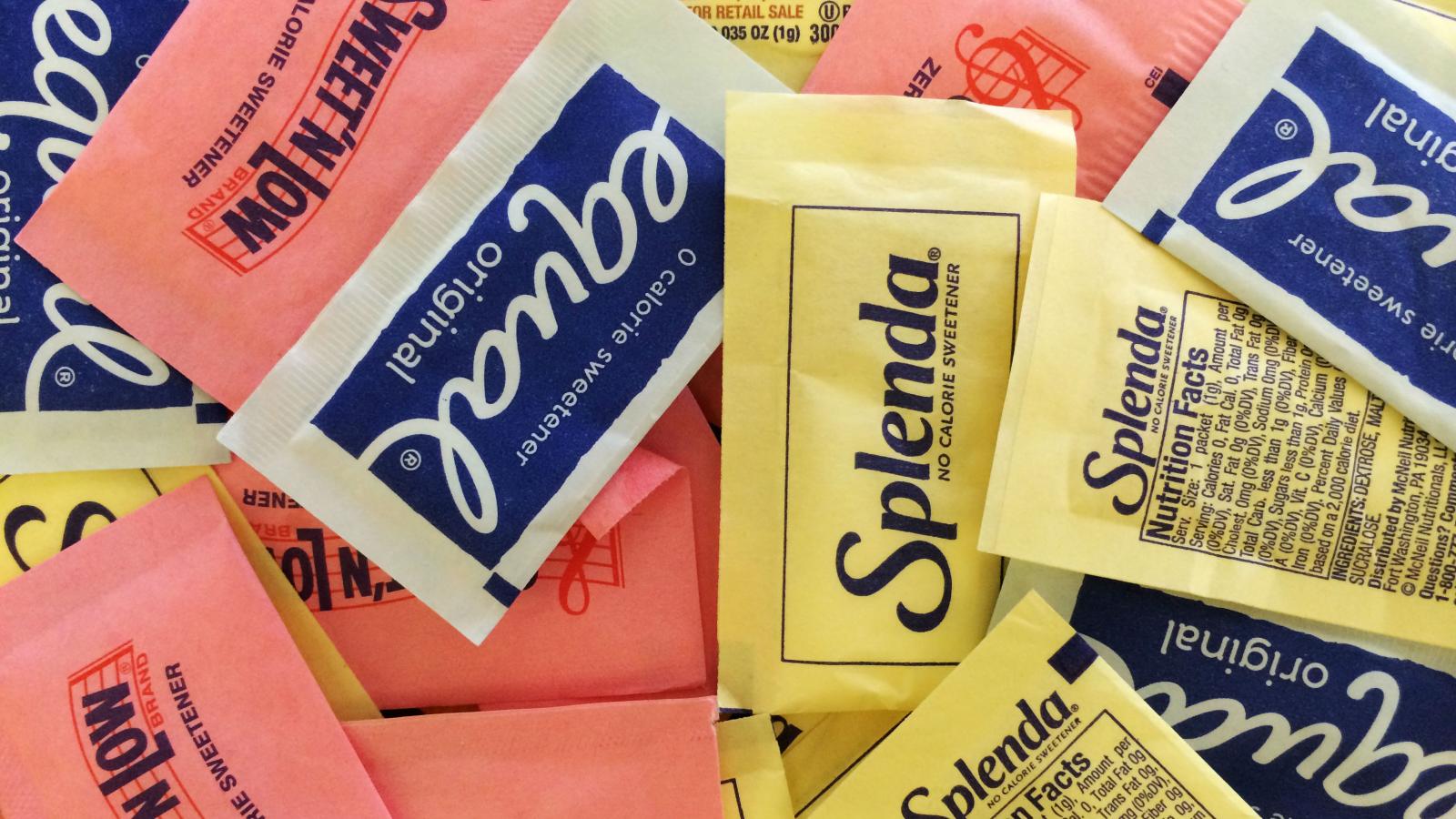
One new study recently — published in the peer-reviewed journal Trends in Endocrinology and Metabolism — found that many artificial sweeteners, acting on the hormones, can actually increase the craving for sugars, leading to an increased risk for obesity and subsequent complications like diabetes and heart disease. While more research is certainly called for on this subject, avoiding the following sweeteners is truly a healthy choice.
The Lemon Detox Diet – A Recipe That Really Works

Ever since Beyonce Knowles was associated with the Lemon Detox diet, there has been a surge of interest in this particular program. Also known as the Master Cleanse, this detox diet has been around for almost 50 years and has seen variations on its recipe and program. It's effectivity in breaking down built up toxins in the body while contributing to short term weight loss has made it a popular option for a spring detox.
Benefits of Intermittent Fasting

Intermittent fasting is a powerful approach to eating that is becoming very popular because it can help you lose weight without feeling hunger, and help reduce your risk of chronic diseases like diabetes and heart disease. If done correctly, intermittent fasting can also lead to better sleep and lots of energy.
So far, research overwhelmingly supports this notion that ditching the “three square meals a day” approach in favor of intermittent fasting may do wonders for your health. This type of scheduled eating was practiced by our ancestors, since they did not have the frequent access to food that we have now.
Why Pregnant Women Should Avoid Chemical Exposure

Must Read

Smartphones now causing permanent health problems in chronic users
Skull on fire, writhing in pain, one journalist tells his own story about the onset of searing headaches and the feeling of being "hit over the head with a rod of steel." That's how journalist Adam Estes described the mysterious "bolts of pain" that shot from the top of his neck and across his skull.