
























Empower Your Journey: A Guide to Weight Loss

Chlorella as a Powerful Detoxification Tool

One of the most exciting nutritional resources available today to help your body naturally fight environmental pollution is a whole-food based supplement called chlorella. Chlorella is actually one of the most widely used supplements in Japan, where over 10 million people use it regularly. The Japanese use of chlorella is more widespread than the North American use of vitamin C, our most popular supplement.
Do the Japanese know something we don't?
Understanding Panchakarma: The Ancient Ayurvedic Detoxification Therapy

Mercury Dental Fillings

Mercury is one of the most potent neurotoxins found in the environment. Exposure to this heavy metal poses potential psychological, neurological, immunological, and endocrinal damage in your body. Although mercury is found in air and water pollution, it can also reach your bloodstream and impair your vital functions through dental amalgams, which are deceptively called "silver fillings."
Sugar in Foods (A Sweet Trap)

You may enjoy eating processed, supermarket-bought foods because they taste good, but what if you find out that these products contain a dangerous sweetener that may have long-term effects on your health? This sweetener is none other than high-fructose corn syrup (HFCS), the leading source of calories in the United States today. HFCS lurks in many so-called "healthy" food products – even some which are not naturally sweet.
Top Warning Sign And Health Risks of Vitamin D Deficiency

Vitamin D deficiency has become a fairly common condition in adults. This is a somewhat new finding; however lack of Vitamin D can cause some bad changes to the body. Adults are especially affected because most adults don’t eat foods that have Vitamin D and they often receive very little sunshine.
Mindful Eating: Nourishing Your Gut and Mind for Optimal Well-Being

Why Holistic Healing is the Future: How It’s Revolutionizing Modern Healthcare

Ashwagandha: The Natural Ally for a Smooth Menopause Journey

5 Warning Signs of Magnesium Deficiency

Many people do not understand the importance of magnesium in the same way they understand calcium or iron, for instance. Nonetheless, adequate magnesium levels are crucial for brain, cardiac and muscle function and it is needed, along with silica and Vitamins D and K to promote bone health. Magnesium deficiency is more common than many people suspect, and below are 5 warning signs that could indicate a deficiency in this important mineral.
Must Read
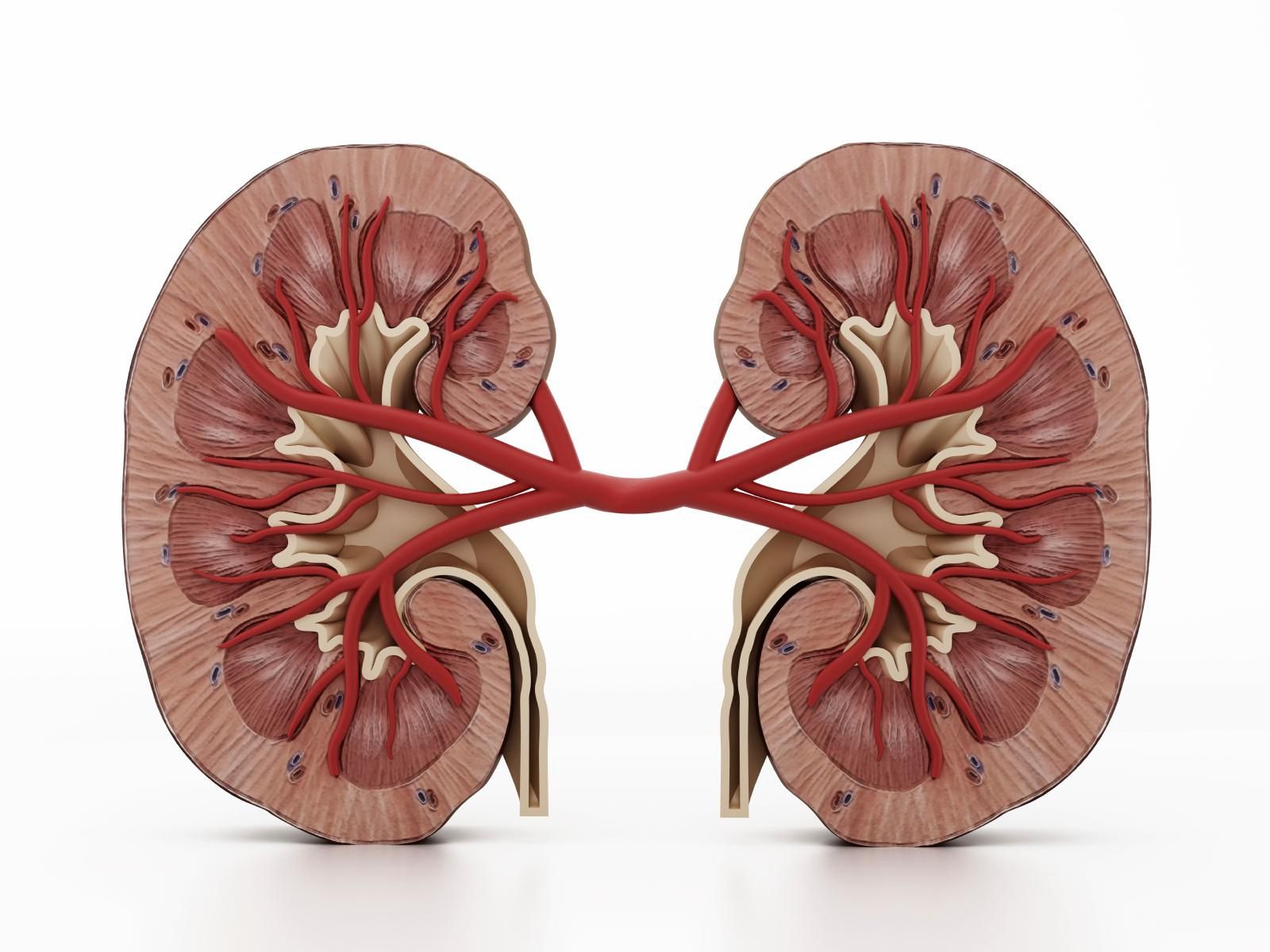
10 Common Habits That Seriously Damage Your Kidneys
Our kidneys are super important for our health. They filter our blood, produce hormones, absorb minerals, produce urine, eliminate toxins, and neutralize acids. So as one of the most important organs in your body, your kidneys deserve some love.