






















Why Holistic Healing is the Future: How It’s Revolutionizing Modern Healthcare

Understanding Panchakarma: The Ancient Ayurvedic Detoxification Therapy

Exploring the Gut-Brain Connection: A Transformative Wellness Trend of 2023

7 Cancer Curing Spices That Are Commonly Found In Every Kitchen
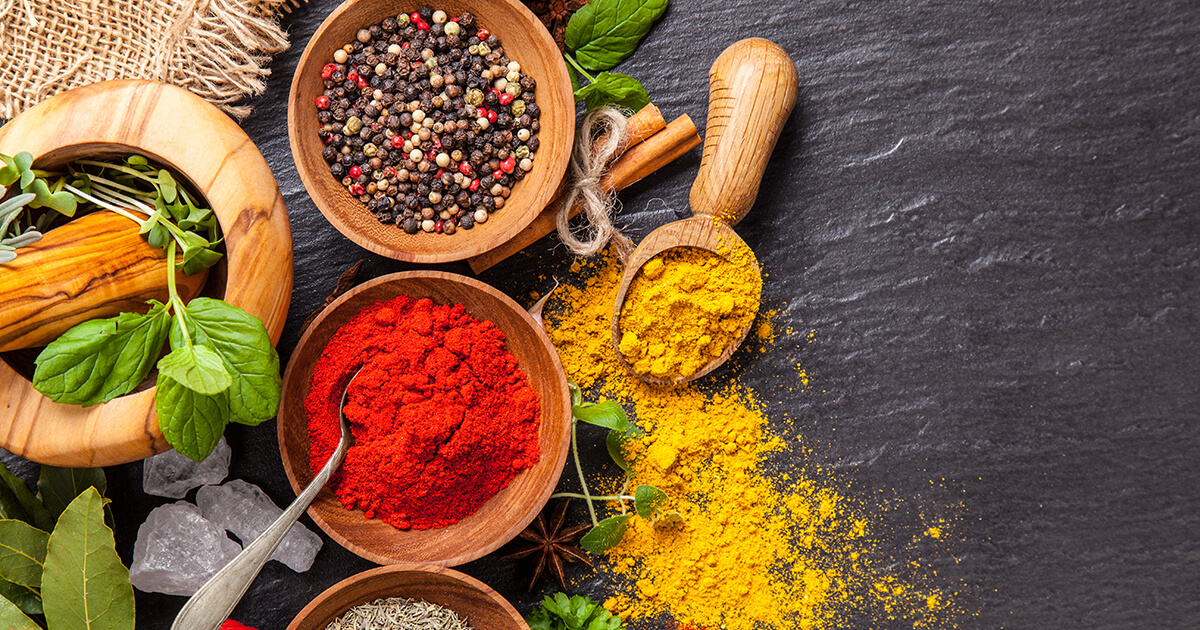
Research has found that the intense taste of spices is associated with high concentrations of antioxidants and other powerful substances that have been proven to stop cancer in its tracks. Here are seven common kitchen spices that are among the top natural cancer-fighting compounds available. Most of them are probably already in your home and ready to use.
Must Read
Nutritional Therapy for HIV and AIDS
The virus causes serious damage to your immune system, which leaves you vulnerable to disease-causing organisms, and may progress into AIDS (acquired immune deficiency syndrome). While there is currently no known cure, the virus is typically treated with antiretroviral therapy (ART), which consists of a combination of at least three antiretroviral drugs designed to help suppress the HIV virus and stop the progression of disease.
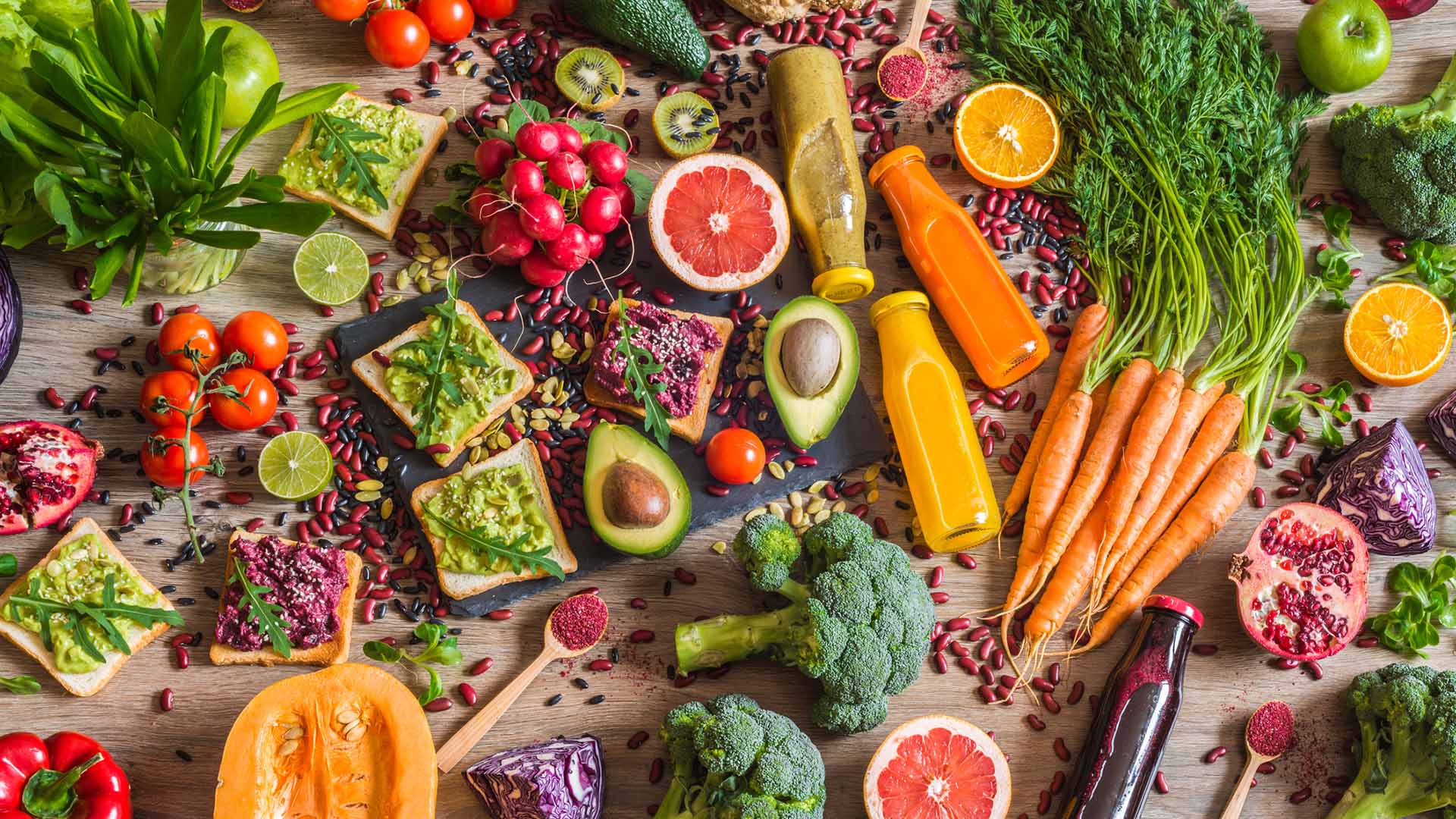
Nutritional therapy, however, is an often-overlooked alternative, which important new research has shown may be effective in delaying HIV progression without the use of drugs.