






















Telomere : Science of Growing Younger

Nutritionists have long been interested in the dynamics of telomere length in the body, and how telomeres figure in to human health and life expectancy. Telomeres were first discovered in 1973 by Alexey Olovnikov.
He found that the tiny units of DNA at the very end of each chromosome—the telomere—shorten with time because they cannot replicate completely each time the cell divides and they may be the most powerful biological clock that has yet to be identified.
Hence, as you get older, your telomeres get shorter and shorter. Eventually, DNA replication and cell division ceases completely, at which point you die. However, a growing body of research is showing that certain nutrients play a huge role in protecting telomere length; greatly affecting how long you live.
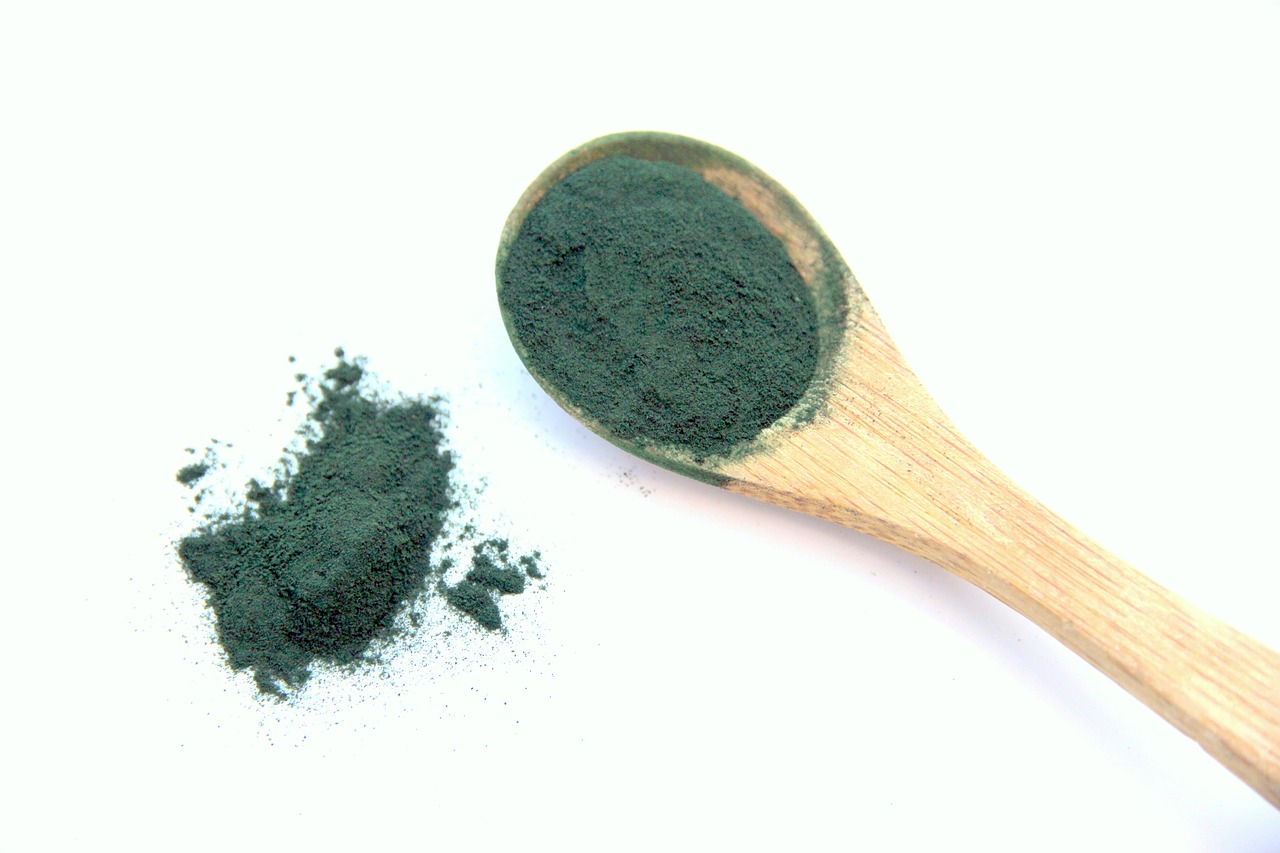
Spirulina : A luxury health food
Stress Reduction with Rock Salt Lamps

Large crystal rocks, mined in Europe and Asia, are also used as salt lamps. A salt lamp is a lamp carved from a larger saltcrystal, often colored, with anincandescent light bulb or a candle inside. The lamps give an attractive glow and are suitable for use as nightlights or for ambient mood lighting.
Turmeric Provides Heart and Diabetes Protection, and Anti-Cancer Effects
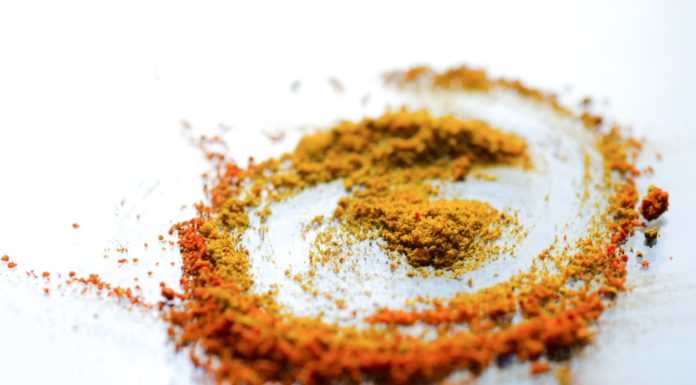
The nutrient in the news is turmeric, which is no surprise as there are so many research studies that show it has powerful anti-inflammatory, anti-tumor and antioxidant properties.