
























Mercury Dental Fillings

Mercury is one of the most potent neurotoxins found in the environment. Exposure to this heavy metal poses potential psychological, neurological, immunological, and endocrinal damage in your body. Although mercury is found in air and water pollution, it can also reach your bloodstream and impair your vital functions through dental amalgams, which are deceptively called "silver fillings."
Chlorella as a Powerful Detoxification Tool
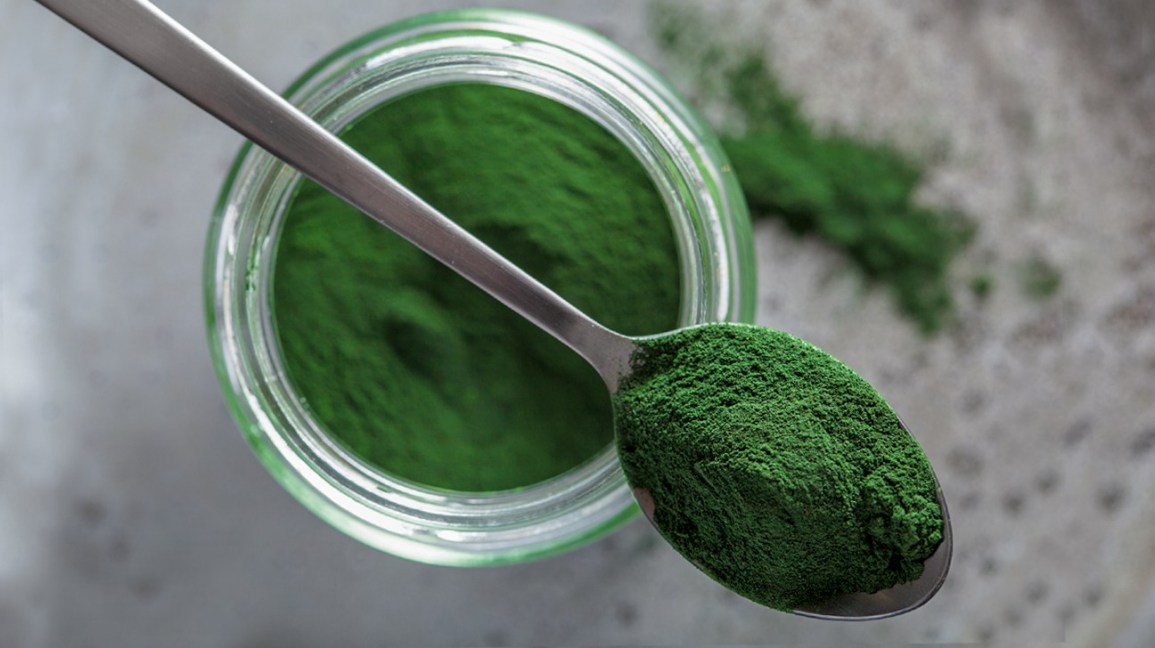
One of the most exciting nutritional resources available today to help your body naturally fight environmental pollution is a whole-food based supplement called chlorella. Chlorella is actually one of the most widely used supplements in Japan, where over 10 million people use it regularly. The Japanese use of chlorella is more widespread than the North American use of vitamin C, our most popular supplement.
Do the Japanese know something we don't?
Nutritional Therapy for HIV and AIDS

The virus causes serious damage to your immune system, which leaves you vulnerable to disease-causing organisms, and may progress into AIDS (acquired immune deficiency syndrome). While there is currently no known cure, the virus is typically treated with antiretroviral therapy (ART), which consists of a combination of at least three antiretroviral drugs designed to help suppress the HIV virus and stop the progression of disease.
Nutritional therapy, however, is an often-overlooked alternative, which important new research has shown may be effective in delaying HIV progression without the use of drugs.
10 Common Habits That Seriously Damage Your Kidneys
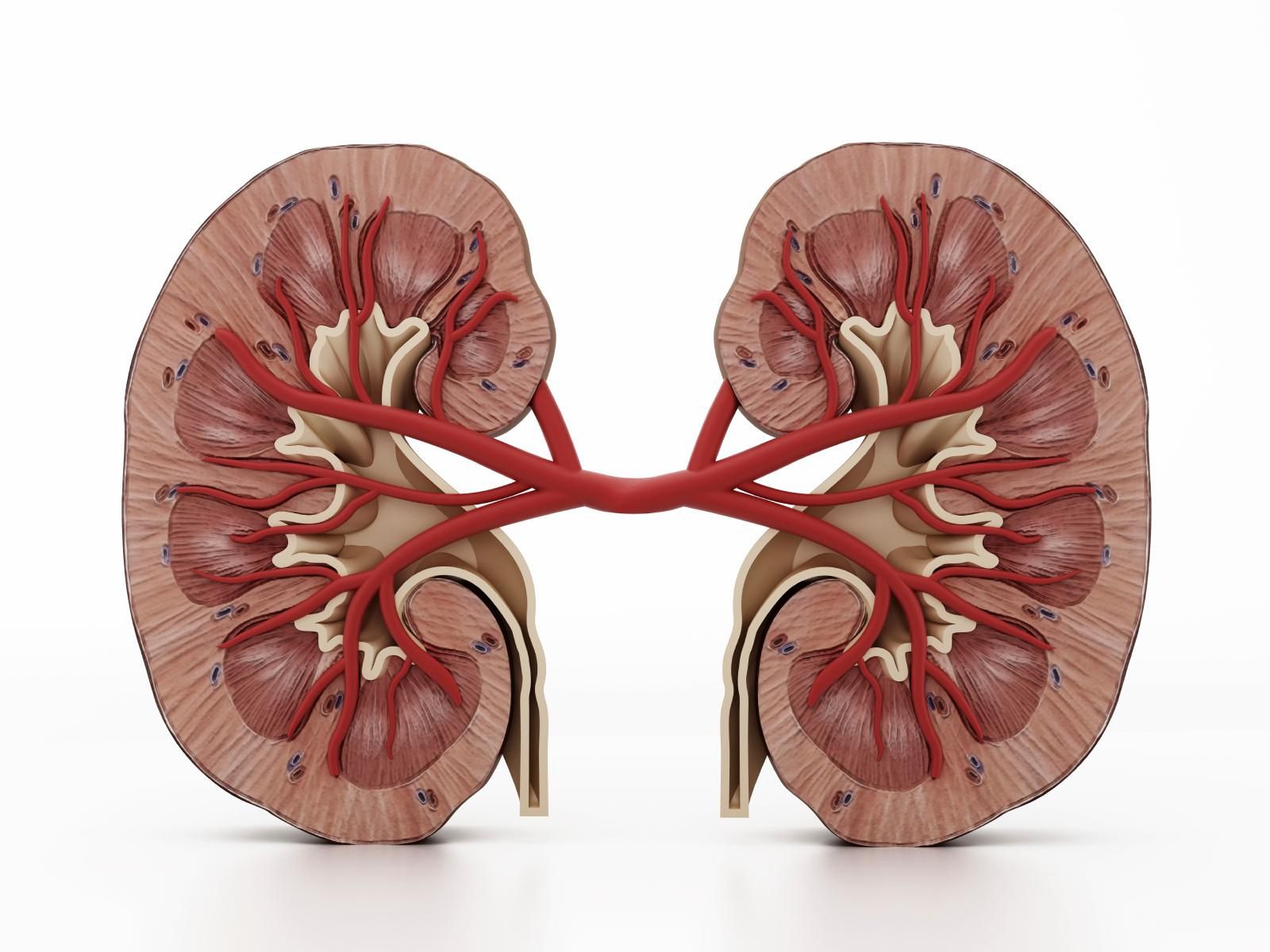
Our kidneys are super important for our health. They filter our blood, produce hormones, absorb minerals, produce urine, eliminate toxins, and neutralize acids. So as one of the most important organs in your body, your kidneys deserve some love.
Is Your Body Toxic?


Feeling sluggish or out of sync? Struggling with skin problems, aches and pains, or digestive problems? Can't seem to lose weight? It might be time for a body detox.
Nourishing Nutritional Strategies for Summer Season

The Rise of Mindful Movement: Tai Chi, Qigong & Slow Fitness

Top 13 Signs That You May Have a Thyroid Disorder
Your thyroid gland plays a very important role in your body. It is a butterfly-shaped gland in your neck, just above your collarbone. It is one of your endocrine glands, which make hormones that control many activities in your body. There are a number of possible thyroid diseases and disorders, and the two of the most common thyroid disorders are hyperthyroidism (when your thyroid gland makes more thyroid hormones than your body needs) and hypothyroidism (when your thyroid gland doesn’t make enough thyroid hormones). Other diseases include goiter (enlargement of the thyroid gland), thyroid cancer, thyroid nodules (lumps in the thyroid gland) and thyroiditis (inflammation of the thyroid gland).
5 Warning Signs of Magnesium Deficiency

Many people do not understand the importance of magnesium in the same way they understand calcium or iron, for instance. Nonetheless, adequate magnesium levels are crucial for brain, cardiac and muscle function and it is needed, along with silica and Vitamins D and K to promote bone health. Magnesium deficiency is more common than many people suspect, and below are 5 warning signs that could indicate a deficiency in this important mineral.
Sugar in Foods (A Sweet Trap)

You may enjoy eating processed, supermarket-bought foods because they taste good, but what if you find out that these products contain a dangerous sweetener that may have long-term effects on your health? This sweetener is none other than high-fructose corn syrup (HFCS), the leading source of calories in the United States today. HFCS lurks in many so-called "healthy" food products – even some which are not naturally sweet.
Must Read

Thickening of Hair With Castor oil
Castor oil is often overlooked for its benefits for the skin and hair because of its extremely thick and sticky consistency. However, if you’re looking for a cheap, natural remedy for several common skin and hair complaints, then castor oil is definitely worth your time.